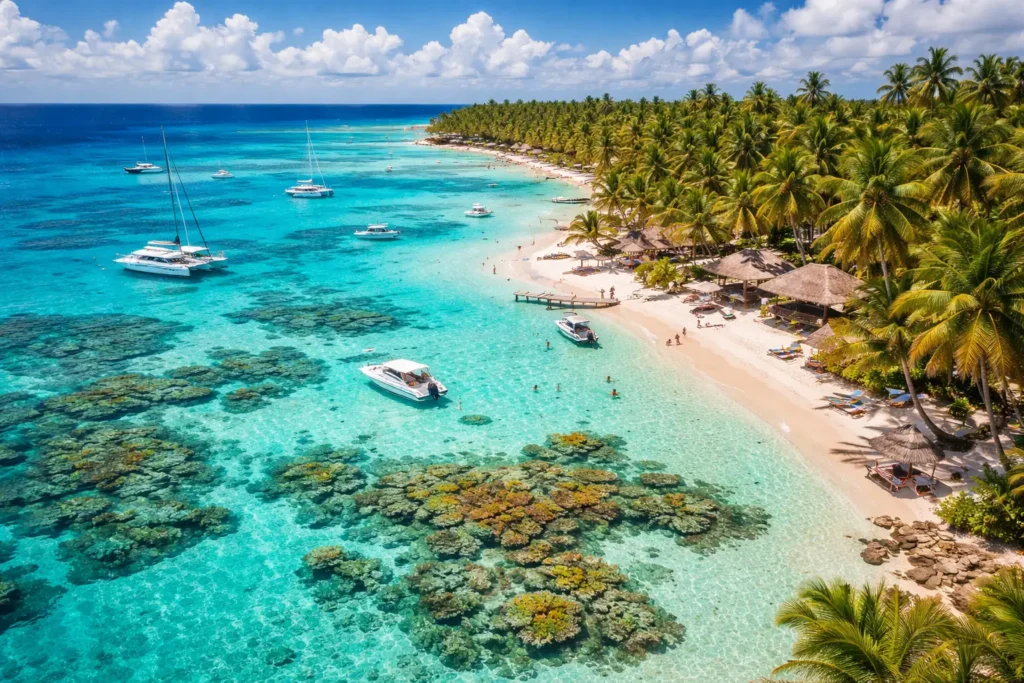
If you are looking for a protected paradise with turquoise waters, natural pools, palm-lined beaches, and unhurried pace, Saona Island is the answer.
You know that little mental escape you take when your inbox fills up and the weather app looks boring? The one where you picture warm water so clear it barely seems real, palms leaning lazily toward the sea, and time stretching out like a hammock? Saona Island in La Altagracia province is exactly that daydream, but with salt on your skin and sand between your toes. Sitting just off the southeastern tip of the Dominican Republic, Saona is one of those places you think must be exaggerated in photos until you’re standing there wondering how a color can be that blue.
If you love wild beaches, shallow turquoise water, and the feeling that you’ve stepped into a calmer version of the Caribbean, this island fits you well.
Why you should go
Features
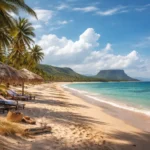
The first thing you notice is the water. It shifts from pale, almost milky turquoise near shore to deeper blues farther out, with visibility that makes snorkeling feel like floating in glass. Much of Saona is part of Cotubanamá National Park, which means large stretches remain protected and undeveloped. You’ll see mangroves hugging the shoreline, long beaches backed by coconut palms, and sand so fine it squeaks underfoot.
One of the most famous natural features is the series of shallow natural pools between the mainland and the island. These waist-deep sandbars are scattered with starfish and warmed by the sun, creating a surreal stop where boats cut their engines and everyone slips into the water at once. On the island itself, beaches like Playa Catuano and Playa del Toro feel wide open, with room to wander even on busier days.
Activities
Most people come to Saona to swim, float, and do absolutely nothing productive, and that’s a perfectly valid plan.
Snorkeling
Snorkeling is popular, especially near rocky edges where fish congregate. You’ll see colorful reef fish, sea urchins, and sometimes rays gliding along the sandy bottom.
Long Walks On The Beach
If you like walking, Saona rewards slow beach strolls. It’s not uncommon to walk for fifteen minutes and feel like you have the entire coastline to yourself. Some tours include time in Mano Juan, the island’s small village, where you can walk around, chat with locals, and see how daily life unfolds far from big resorts.
Photography & Drone Shots
Photography is another quiet activity that sneaks up on you. The light here is generous, bouncing off white sand and shallow water, and even casual phone photos come out looking suspiciously professional. Drones totally get the vibe of the small island feel.
How you get there
Getting to Saona is part of the adventure, and honestly, part of the fun. Most visitors arrive via organized day tours departing from Punta Cana, Bayahibe, or La Romana. Bayahibe is the most common jumping-off point, and it’s where I recommend starting if you have the choice.
From Bayahibe, tours usually involve either a speedboat ride out and a slower catamaran ride back, or vice versa. The speedboat takes around 30 minutes, skipping over waves and giving you a salty breeze haircut. The catamaran ride is longer, closer to two hours, but relaxed, with music, shade, and plenty of space to stretch out.
If you’re more independent, you can arrange private boat transport from Bayahibe. This costs more but gives you flexibility on timing and stops. There’s no bridge to Saona, no ferry you can just hop on solo. Boats are the only way in.
When you should go
Saona Island is a year-round destination, but timing still matters. The best overall weather runs from December through April. These months bring drier days, lower humidity, and calmer seas, making boat rides smoother and beach time more comfortable.
May through August is hotter and more humid, but also greener and less crowded. Short tropical showers can roll through, usually passing quickly. September and October are the rainiest months and fall within hurricane season, though direct hits are rare. If you travel during this period, flexibility is key, and you’ll want to keep an eye on forecasts.
Time of day also makes a difference. Tours tend to arrive late morning and leave mid-afternoon. If you can arrange an early arrival or a later departure, you’ll experience a noticeably quieter island.
Health & Safety
Saona Island is generally safe, especially when visiting with reputable tour operators. The biggest risks are sun exposure and dehydration. The Caribbean sun is strong, and shade can be limited, so sunscreen, hats, and plenty of water are essential.
In The Water
Swimming is usually calm, especially in protected areas, but always pay attention to guides and posted warnings. Jellyfish are uncommon but possible, and stepping carefully in shallow water helps avoid sea urchins.
Medical Services
There are no major medical facilities on the island. Any serious issues require transport back to the mainland, so travel insurance is a smart idea. If you have allergies, bring your medication with you, and don’t assume you’ll find pharmacies or specific products on the island.
What you can expect
Ambience
Saona’s vibe is relaxed, tropical, and refreshingly unpolished. Even on busy days, it feels more like a beach picnic than a theme park. Music drifts from boats, palm leaves rustle overhead, and conversations tend to slow down to match the pace of the island.
There’s a sense of shared enjoyment among visitors, but it never feels chaotic. You’ll hear multiple languages, see families, couples, and solo travelers all coexisting easily. It’s social without being loud.
Accommodation
Most visitors experience Saona as a day trip. There are no large resorts on the island. Accommodation options are extremely limited, mostly simple guesthouses in Mano Juan, and availability can change. Staying overnight is possible but requires planning and realistic expectations.
Rooms are basic, often without air conditioning, and electricity can be limited. That said, falling asleep to ocean sounds and waking up to an empty beach is a rare privilege if you manage it.
Infrastructure
Infrastructure is minimal by design. That’s part of Saona’s charm. You’ll find basic restrooms in some areas, small beach bars during tour hours, and simple docks. Roads are sparse, and most movement is by foot or boat.
This is not a place for shopping malls, paved promenades, or polished signage. It’s a protected natural area first, tourist destination second.
Food & Water
Most tours include lunch, usually a buffet-style Dominican meal with grilled chicken or fish, rice, beans, salad, and fruit. It’s simple, filling, and tastes better when eaten barefoot near the water.
Drinks are often included, ranging from water and soda to rum-based cocktails. Stick to bottled water and avoid drinking untreated water. If you have dietary restrictions, it’s wise to bring snacks you know you can eat.
Accepted Etiquette
Saona is friendly and informal, but respect goes a long way. Greet people, say thank you, and ask before taking photos of locals. Avoid touching starfish or wildlife, even if others are doing it. These creatures are protected, and handling them can cause harm.
Leave no trash behind. This isn’t just good manners, it’s essential for preserving the island’s fragile ecosystem.
What not to expect
You should not expect luxury resorts, high-end dining, or fast Wi-Fi. Cell service can be spotty, and that’s a feature, not a flaw. You also shouldn’t expect total solitude if you’re visiting on a standard tour. Saona is popular for a reason, and you’ll likely share the beach with others.
Don’t expect a tightly scheduled itinerary with constant activities. Much of your time will be intentionally unstructured, and that’s where Saona shines.
What you should take
Pack light but smart. Essentials include reef-safe sunscreen, a hat, sunglasses, swimwear, and a quick-dry towel. Water shoes are helpful for rocky areas and natural pools. Bring cash for tips or small purchases, as cards are rarely accepted.
A dry bag is useful for protecting phones and cameras on boat rides. If you’re sensitive to sun or heat, a lightweight long-sleeve shirt can be a lifesaver. And always bring more water than you think you’ll need.
Abbreviated history
Saona Island has deep roots that predate tourism by centuries. The Taíno people, the island’s original inhabitants, used Saona for fishing and ceremonial purposes long before European arrival. Christopher Columbus is believed to have passed the island in 1494, later naming it after Michele da Cuneo’s hometown of Savona, Italy.
Over the years, Saona remained relatively untouched due to its protected status and limited resources. In 1975, it became part of what is now Cotubanamá National Park, ensuring its preservation. Tourism arrived slowly and remains regulated compared to other Caribbean hotspots.
Who you can contact
For visiting Saona, your best contacts are reputable tour operators based in Bayahibe, Punta Cana, or La Romana. Look for companies with strong reviews, clear environmental practices, and transparent itineraries. Hotels and guesthouses on the mainland often partner with reliable operators and can arrange trips for you.
If you’re interested in conservation or extended stays, local organizations connected to Cotubanamá National Park or the community in Mano Juan can provide information, though communication may require patience and basic Spanish.
Additional References
Tour Operators:
Isla Caribe Saona Tours
Instagram @islacaribesaonatours
Mike Fisher
Website Saona Island Excursion
Photos

Videos
Disclaimers
Any price references as of Jan/2026